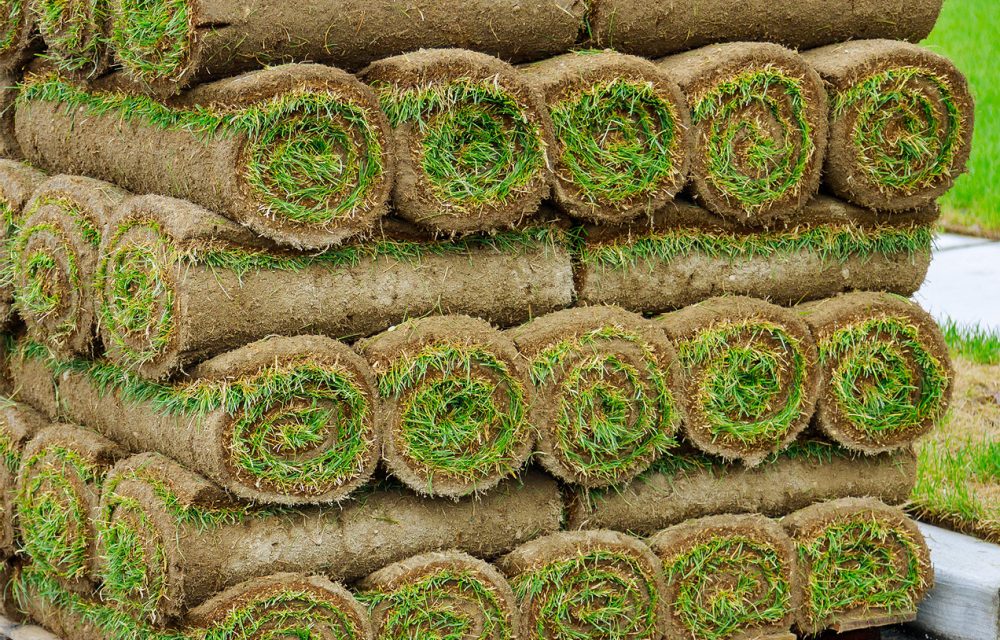
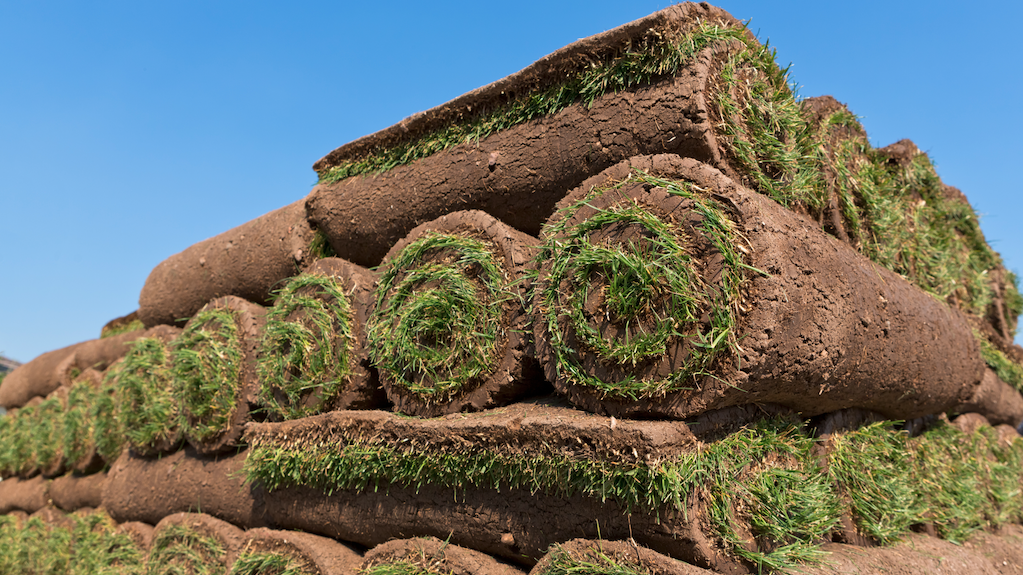
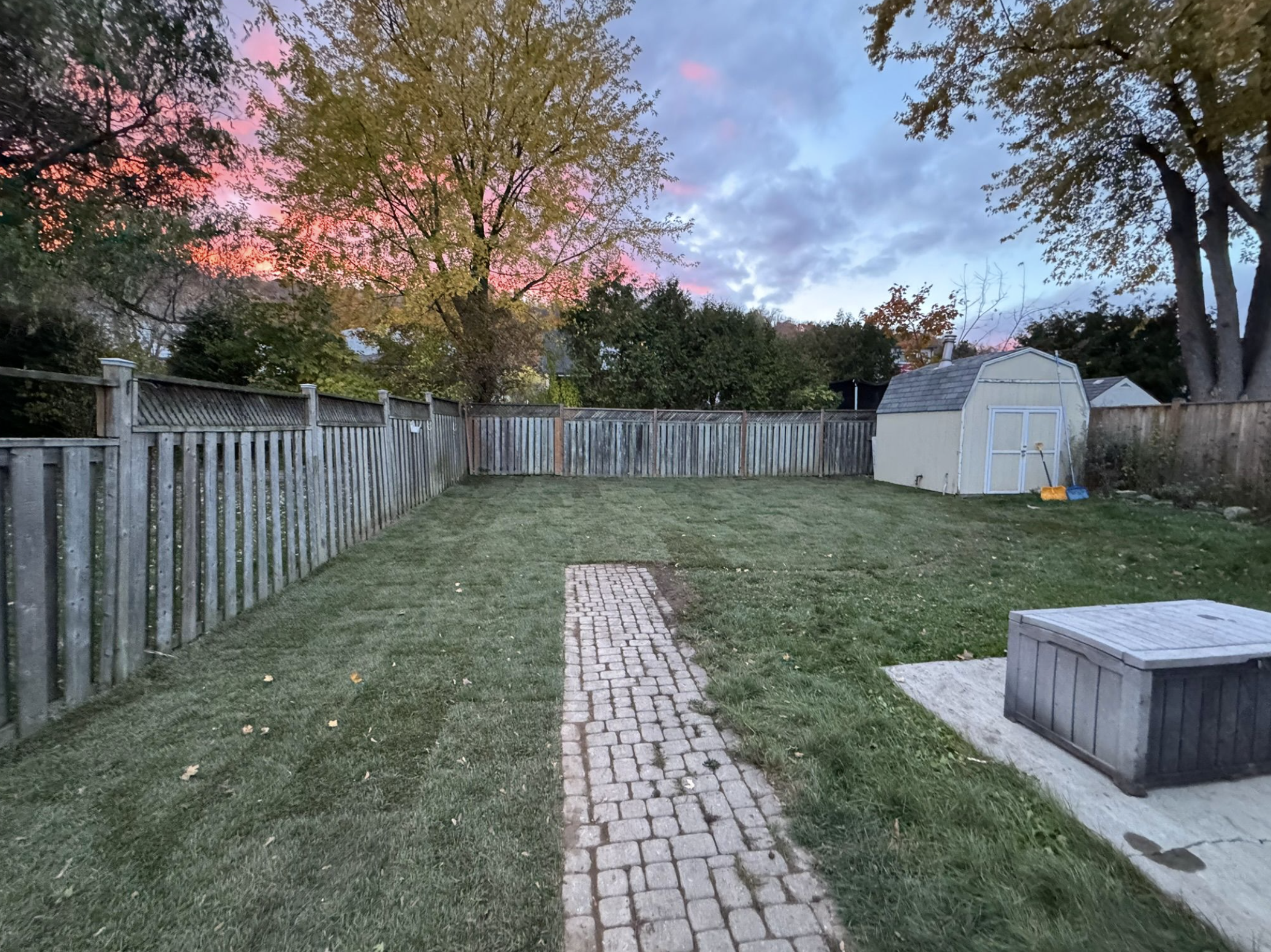
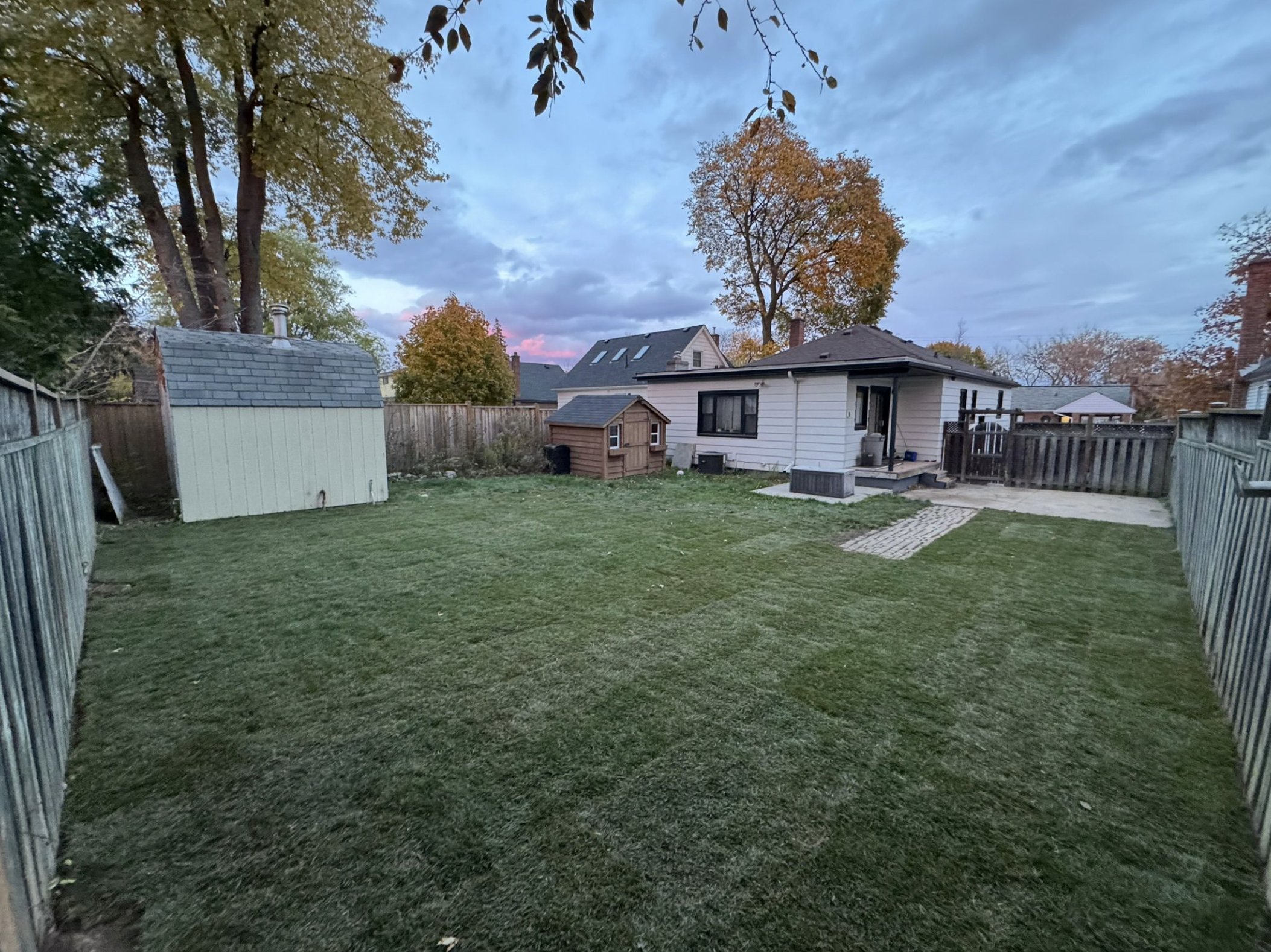
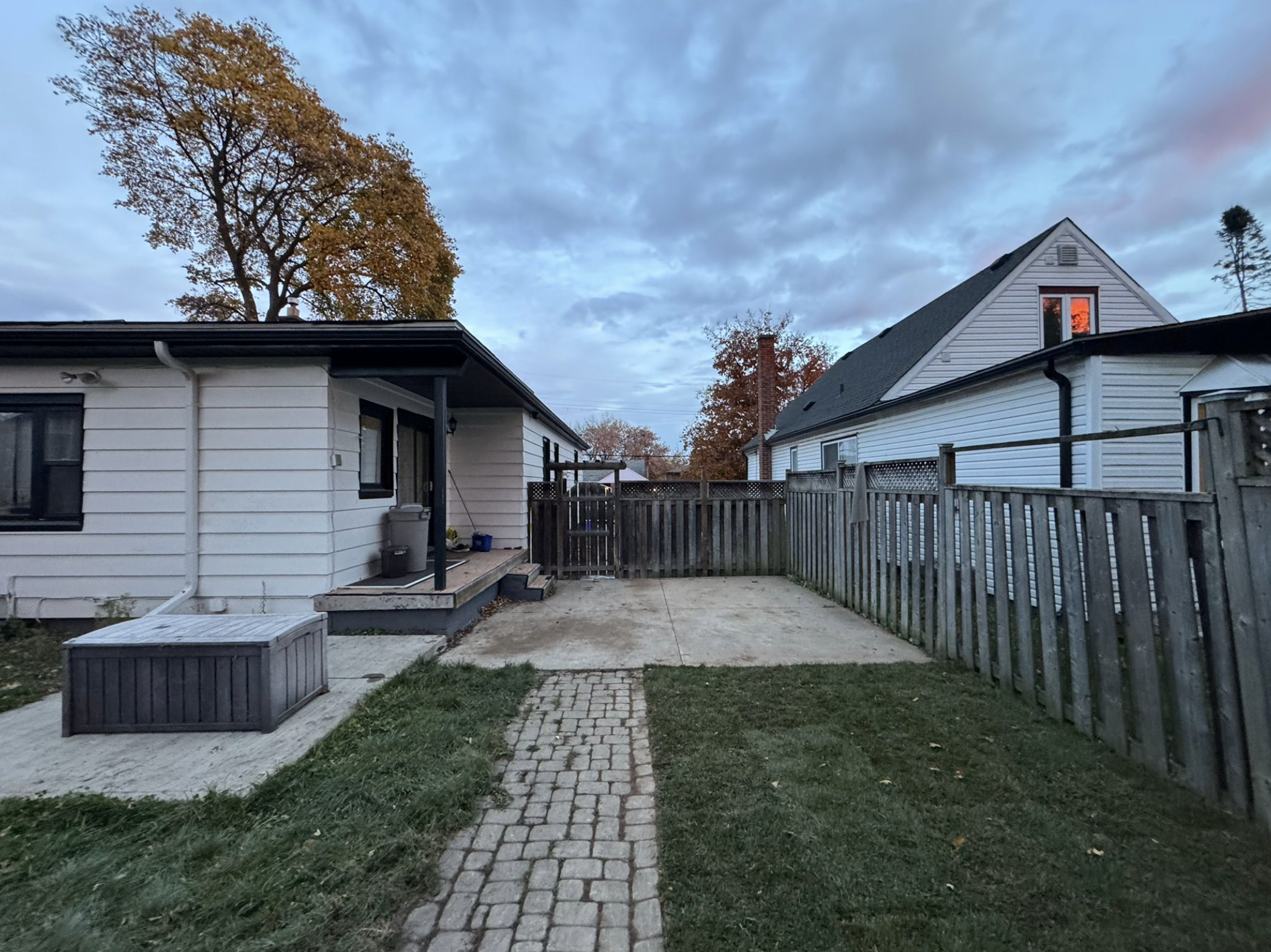
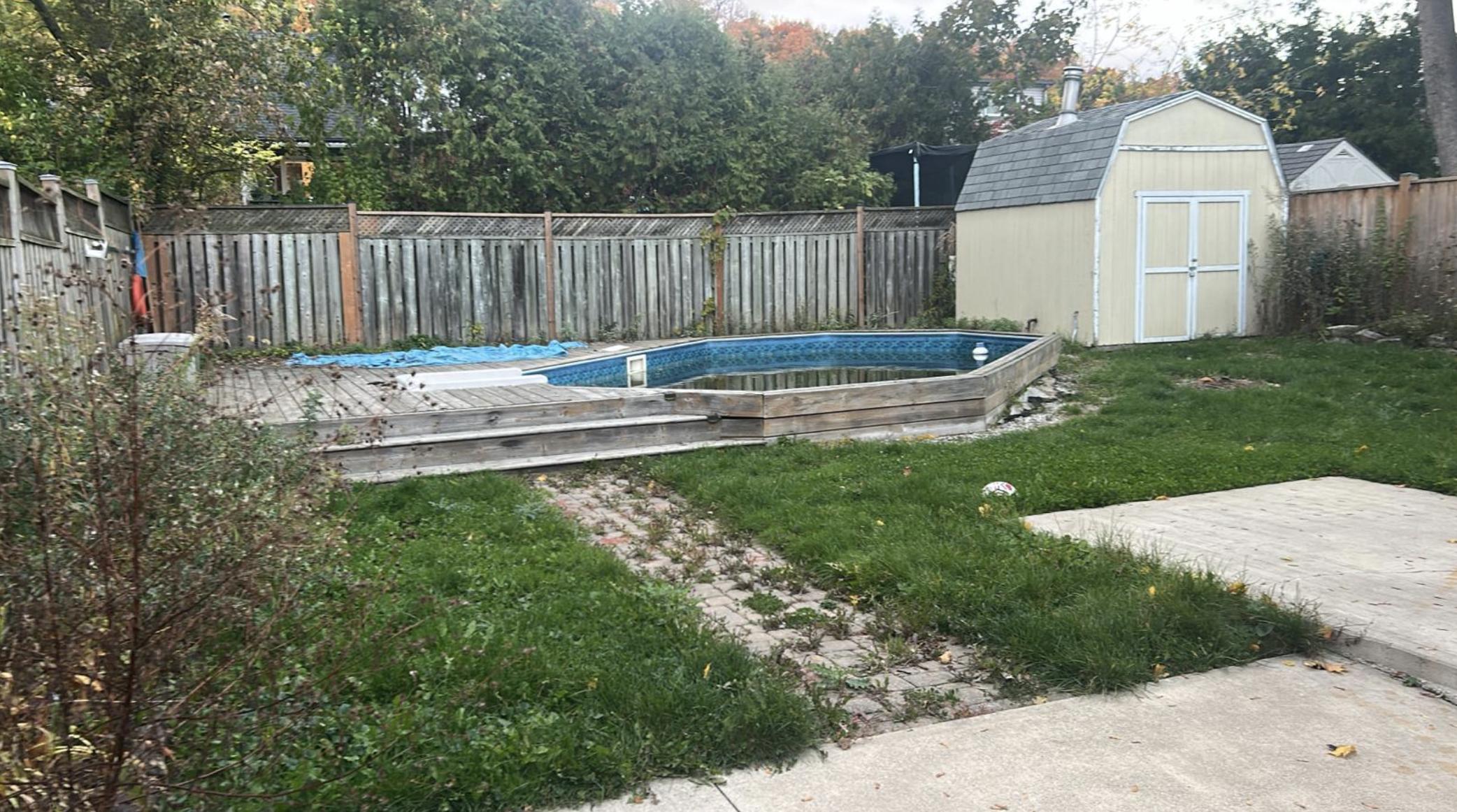
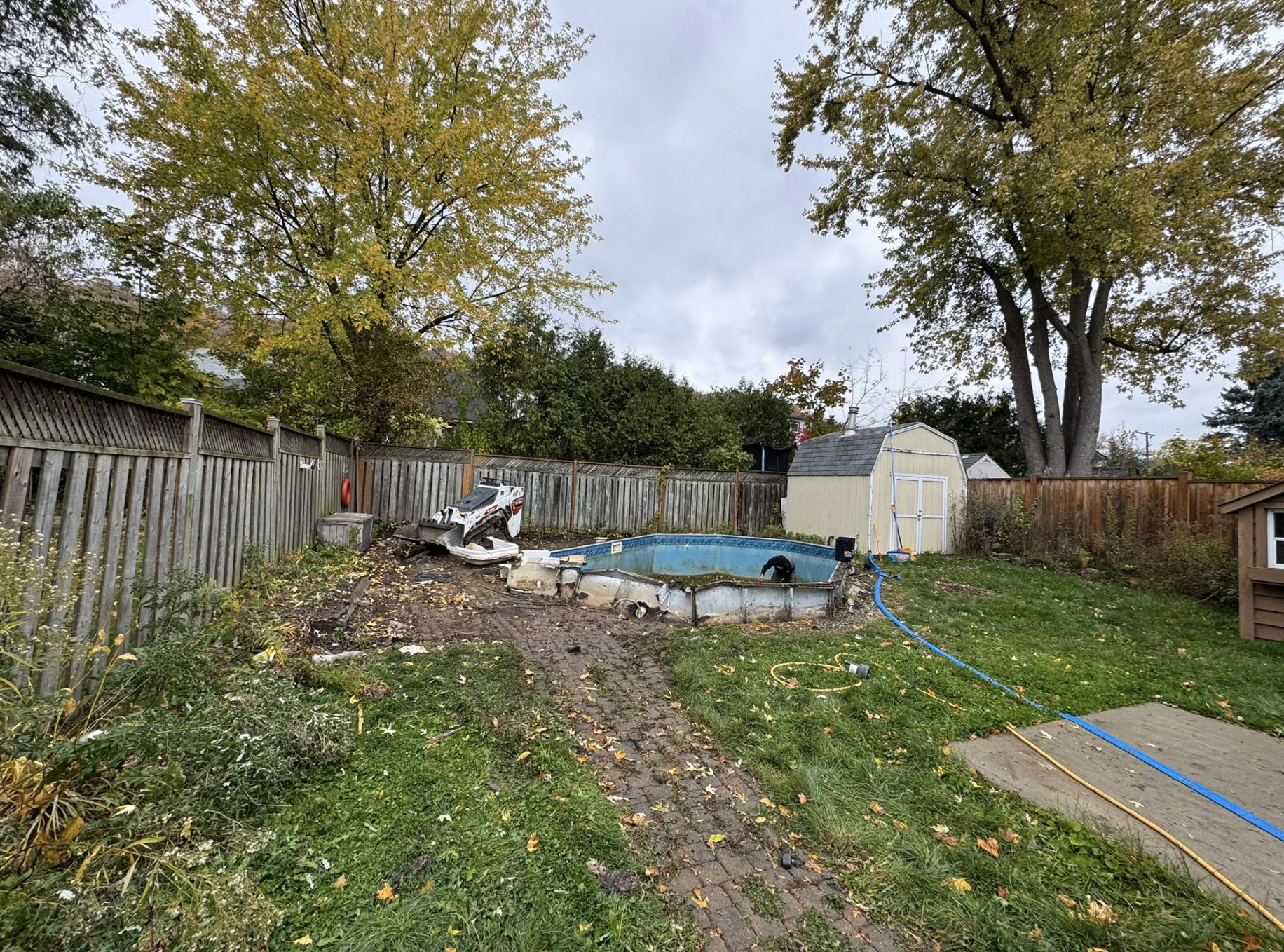
We exclusively install fresh-cut Kentucky Bluegrass from Greenhorizon Sod Farm, one of Southern Ontario’s most trusted growers.
● Sod is cut daily, delivered in skids, and installed the same day for maximum vitality.
● Known for its rich green color, durability, and thick coverage—ideal for family yards and high-traffic areas.
● Each pallet is inspected to ensure quality, density, and root health before installation.
Weeds are not a sign that you’ve failed as a homeowner. They’re a sign that nature is doing what nature does. Seeds travel by wind, birds, and boots. They’ve been sitting dormant in the soil waiting for the right conditions. Some of them have been there longer than your house has.
That said, understanding which weed you’re dealing with — and why it showed up — is the first step to actually getting rid of it. Here are the five most common lawn weeds we see in Ontario yards, and what to do about each one.
1. Crabgrass
How it spreads: Crabgrass seeds travel from neighbouring properties, birds, and wind. They sit in the soil and wait for warm conditions — specifically soil temperatures above 13°C. Once the ground warms up in late spring and summer, they germinate fast, especially in thin or bare patches where there’s less competition.
Crabgrass is an annual, which means it dies off in the fall — but not before it drops thousands of seeds that will come back next year. The cycle continues until you break it.
How to eliminate it: Your best weapon is a thick, dense lawn. Crabgrass seeds need sunlight to germinate, and a full, healthy lawn blocks that sunlight at the soil level. Mow at the right height (no lower than 2.5 inches), water consistently, and fertilize on schedule. For existing crabgrass, apply a pre-emergent herbicide before the soil warms up in spring. Post-emergent sprays work on young plants — pull mature ones by hand before they seed. Note: do not apply any herbicide to new sod in the first 6–8 weeks.
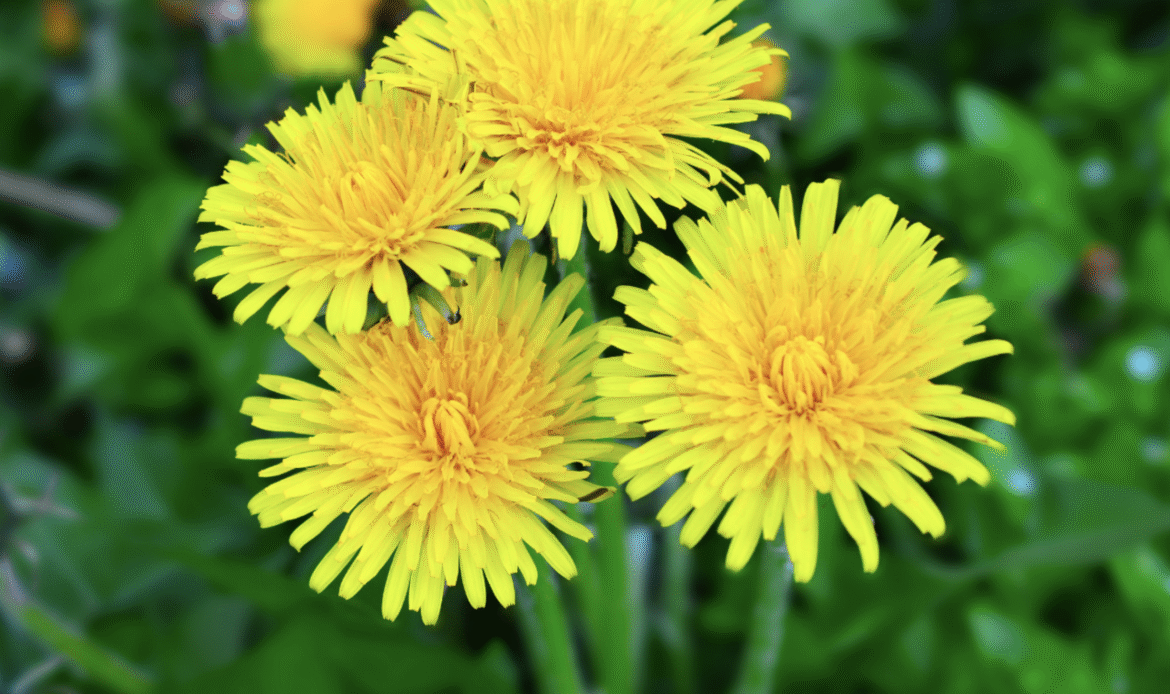
2. Dandelions
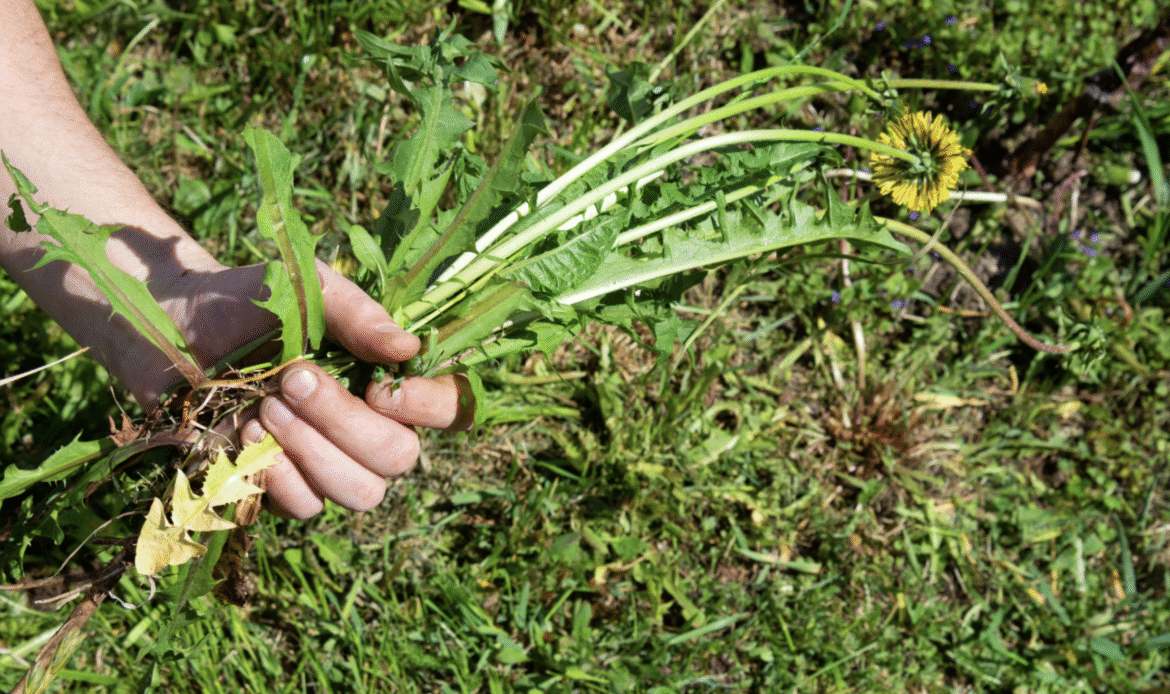
How it spreads: Dandelion seeds travel by wind — those white puffball heads can carry seeds surprising distances. But what makes dandelions persistent isn’t the seeds, it’s the taproot. Dandelions have a deep, stubborn taproot that grows straight down into the soil. If you pull the plant and leave even a small piece of root behind, it grows back. They love compacted soil and thin turf where there’s room to establish.
How to eliminate it: Hand-pull early in the season and get the full root — a weeding tool that reaches down helps a lot here. For larger infestations, a broadleaf herbicide applied after week 8 on new sod is effective. Annual aeration reduces the soil compaction dandelions love, and a well-fertilized, dense lawn leaves little room for them to take hold.
3. Clover
How it spreads: Clover spreads through seeds and creeping stems that root at the nodes as they grow along the ground. It’s a common sight in lawns that haven’t been fed properly. Clover actually fixes its own nitrogen from the air, which means it thrives in low-nitrogen soil where grass struggles. If you’re seeing clover spread across your lawn, it’s often your lawn’s way of telling you it needs feeding.
How to eliminate it: The simplest fix is maintaining your fertilizing schedule. A well-fed lawn with adequate nitrogen rarely lets clover win — the grass simply outcompetes it. Broadleaf herbicide is effective on clover once the lawn is established (after week 8). Avoid overwatering, which creates the moist conditions clover loves.
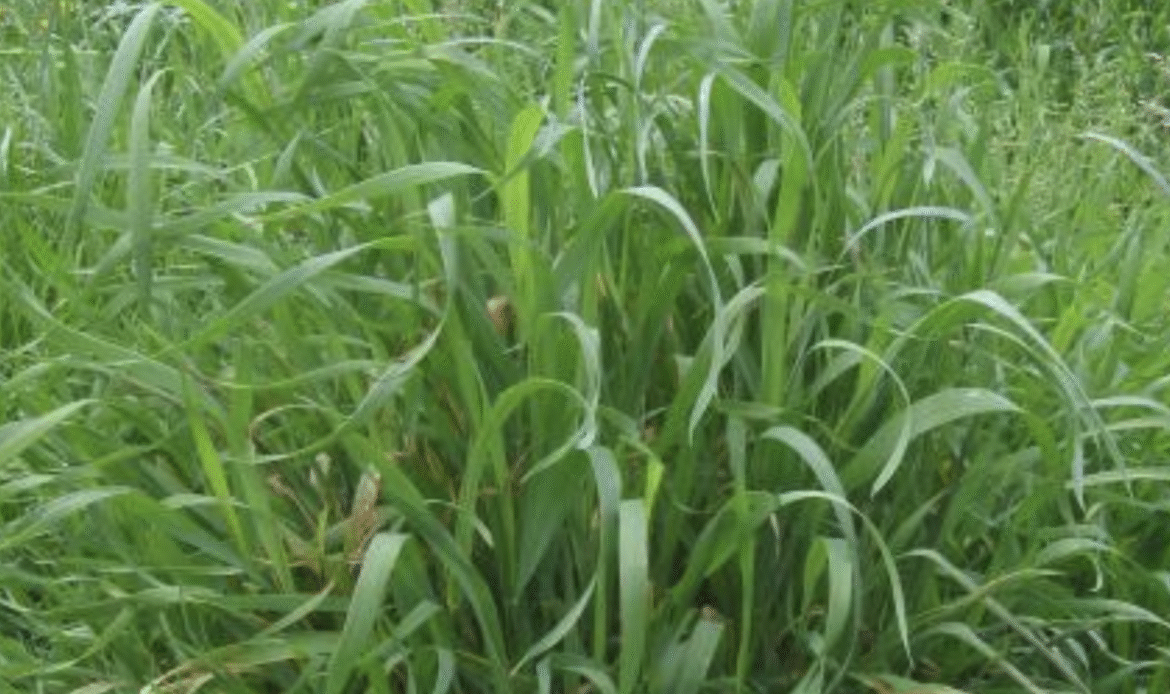
4. Quackgrass
How it spreads: Quackgrass is one of the trickier ones because it can actually be mistaken for regular grass at first glance. It’s coarser and slightly lighter in colour than Kentucky Bluegrass or fescue. What makes it so hard to control is that it spreads aggressively through underground rhizomes — horizontal root systems that extend through the soil and pop up in new spots. Pulling the visible plant doesn’t stop it if the rhizomes are left behind.
How to eliminate it: This one is tough and there’s no easy fix. The most effective approach is to spot-treat with a non-selective herbicide like glyphosate, applied carefully only to the affected areas. Once the treated area dies off, you’ll need to reseed or patch with new sod. Do not apply any herbicide to new sod in the first 6–8 weeks. Patience and precision are the tools here.
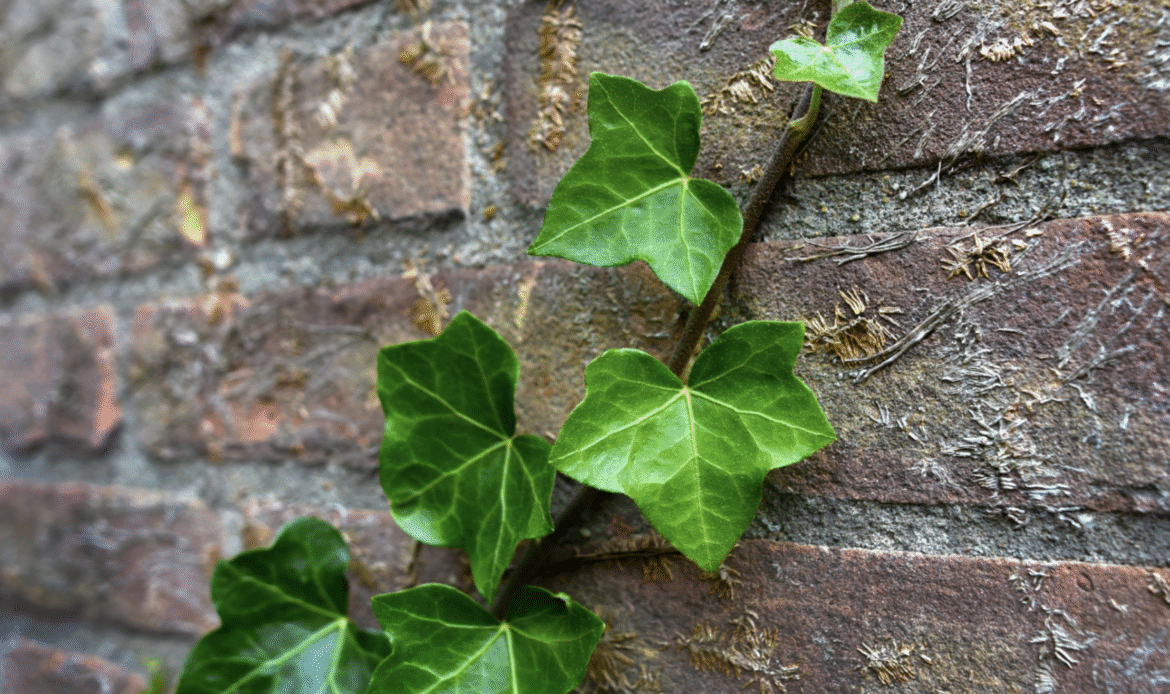
5. Ground Ivy
How it spreads: Ground ivy spreads through stems that creep along the soil surface and root at the nodes as they go. It moves fast, especially in shaded or poorly drained areas where grass struggles to compete. You’ll recognize it by its rounded, scalloped leaves and small purple flowers in the spring. Once it gets going in a shaded corner of your yard, it can take over quickly if left unchecked.
How to eliminate it: Improve drainage and sunlight in affected areas where possible. Broadleaf herbicides containing triclopyr are the most effective chemical treatment. But the strongest long-term barrier is a healthy, thick lawn — ground ivy hates competition. If shade is a persistent issue in part of your yard, consider whether your grass variety is right for that condition.
The Common Thread: A Healthy Lawn Is Your Best Defense
Look at those five weeds and you’ll notice a pattern. Almost all of them thrive in thin, compacted, under-fed, or stressed lawns. A dense, well-watered, properly fertilized lawn leaves very little room for weeds to establish in the first place. Prevention through good lawn care beats treatment every time.
If your lawn is struggling with weeds and you’re not sure where to start, sometimes the right move is a fresh foundation. The SodFather specializes in residential sod installation and commercial sod installation across the GTA — giving your lawn a clean, weed-free start with premium Kentucky Bluegrass. Get in touch for a free quote and let’s talk about what your yard actually needs.